How to Get Back Into K-Pop Dance Practice After a Long Break Without Burning Out Again
Quick Answer: Returning to K-pop dance after burnout goes better with shorter, lower-intensity practice sessions on familiar routines first, rather than jumping straight back into learning new choreography at the old pace — rebuilding consistency matters more than intensity early on.
The break felt necessary at the time. Coming back, though, brings a specific kind of pressure: catch up fast, or risk burning out the same way again.

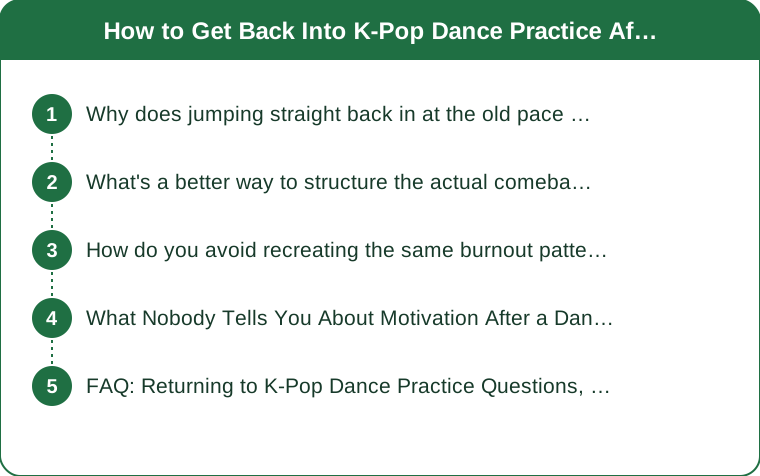
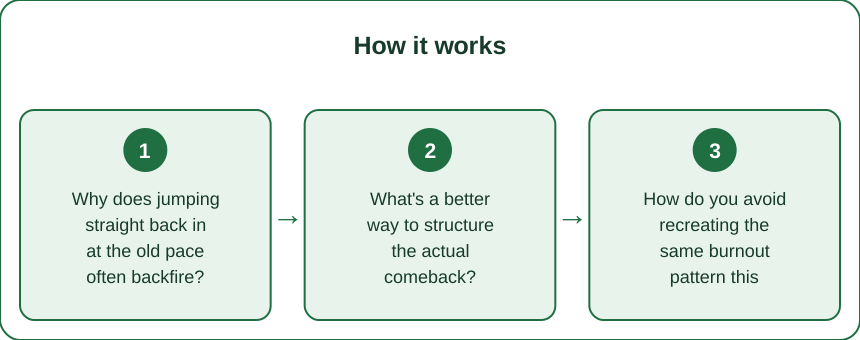
Why does jumping straight back in at the old pace often backfire?
Returning at the same intensity and learning pace that led to burnout in the first place tends to recreate the same pattern, since the underlying cause (overload without recovery) hasn’t actually changed just because time passed.
Physically, cardio and muscular endurance for dance-specific movement decline faster than general fitness during a break, meaning routines that felt manageable months ago may genuinely feel harder now, which can be mistaken for “losing progress” rather than normal detraining.
What’s a better way to structure the actual comeback?
Starting with familiar, already-learned routines at a slower practice pace rebuilds physical capacity and confidence without the added cognitive load of learning brand-new choreography at the same time.
Short sessions — 20-30 minutes focused on a single routine section, rather than full run-throughs — reduce the physical and mental load of the comeback period specifically.

How do you avoid recreating the same burnout pattern this time?
Scheduling deliberate rest days into the comeback plan from the start, rather than waiting until burnout signals reappear, breaks the cycle that led to the original break.
Tracking how sessions actually feel — energized versus depleted — over the first few weeks back gives an early warning system that wasn’t in place the first time around, when burnout likely built up unnoticed.
What Nobody Tells You About Motivation After a Dance Break
Motivation dips are common in the first 1-2 weeks back, even when the return is genuinely wanted — the gap between remembered skill level and current physical reality is often the actual cause, not a lack of interest in dance itself.
A less obvious factor: watching your own old practice videos from before the break can either help or hurt motivation depending on the person — some find it inspiring, others find the comparison discouraging, so it’s worth trying cautiously rather than assuming it will help.
FAQ: Returning to K-Pop Dance Practice Questions, Answered
How long does it take to get back to a pre-break skill level?
It varies widely by how long the break was, but most dancers regain a meaningful portion of their previous capability within 3-6 weeks of consistent, moderate practice.
Should I learn new choreography right away when coming back?
It’s generally better to wait 1-2 weeks and rebuild with familiar routines first, then introduce new choreography once a comfortable practice rhythm returns.
Is it normal to feel less motivated than before the break, even though I wanted to come back?
Yes — this is common and usually temporary, tied more to the physical adjustment period than a genuine loss of interest.
TL;DR:
- Returning at the old pace and intensity often recreates the same burnout pattern
- Familiar routines at a slower pace rebuild capacity before adding new choreography
- Scheduling rest days from the start, rather than waiting for burnout signs, breaks the cycle
- A motivation dip in the first couple weeks back is common and usually temporary
The comeback doesn’t need to match the old pace right away — consistency now matters more than catching up fast.
Keep Reading
This article is for general informational and styling purposes only. Fit, sizing, and product availability may vary.