Why Your K-Pop Dance Transitions Look Choppy Even When Individual Moves Are Clean
Quick Answer: Choppy transitions usually come from treating each move as a separate, complete unit rather than planning the connecting movement between them — the fix is practicing the transition itself as its own distinct skill, not just drilling each pose harder.
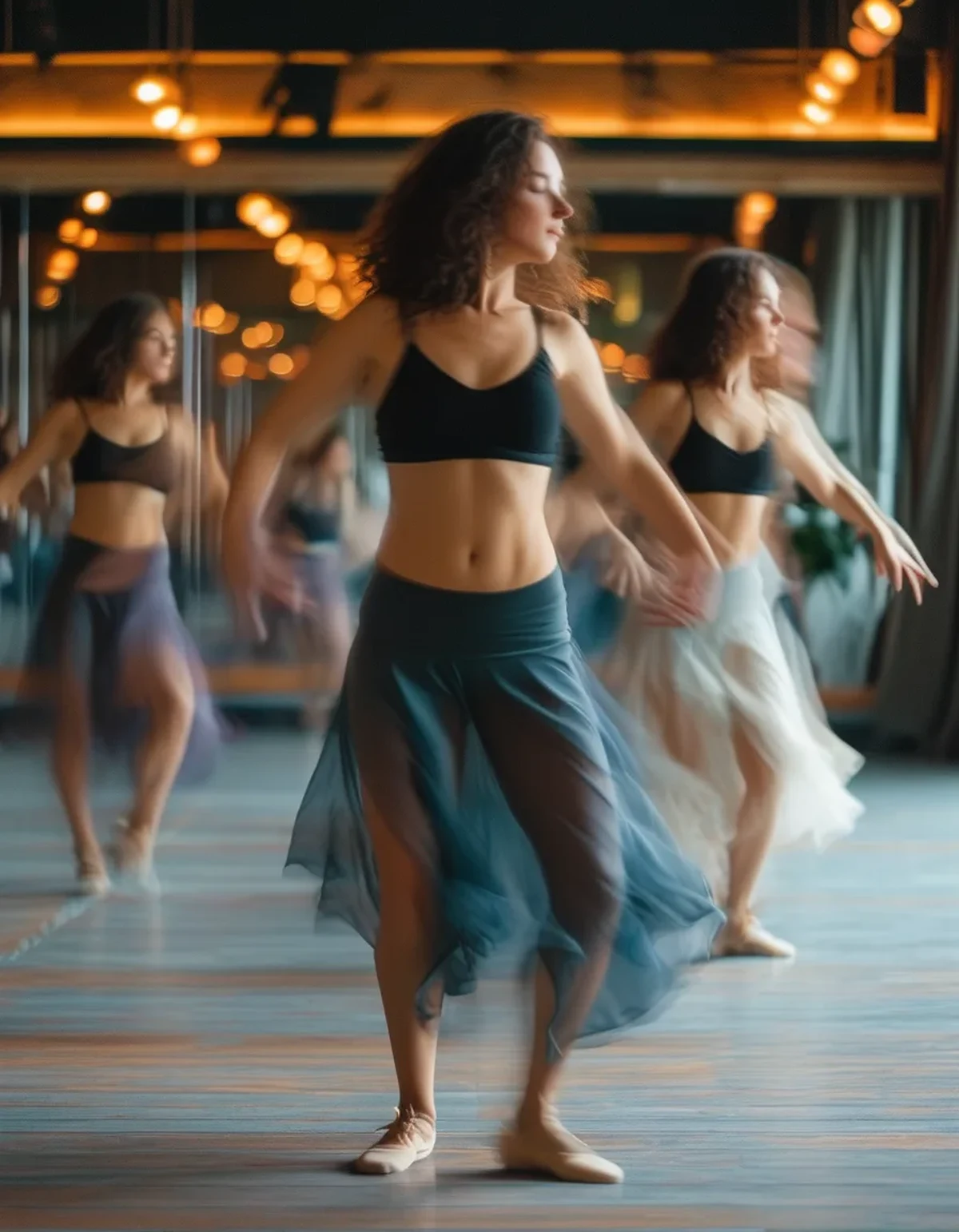
You can hit each individual pose or move cleanly when isolated, but the full combo still looks stiff and disconnected when strung together. The problem usually isn’t the moves themselves — it’s the space between them that’s never been practiced as its own thing.
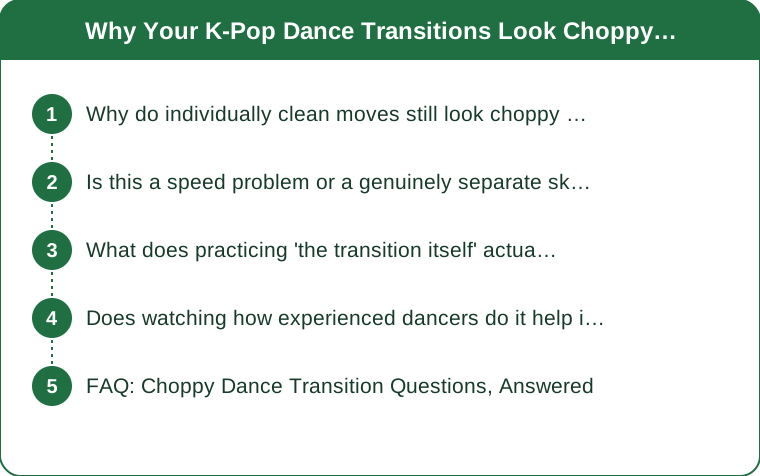
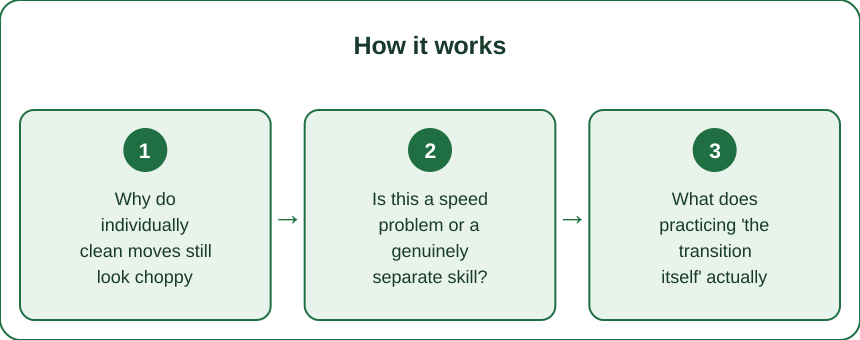
Why do individually clean moves still look choppy together?
Most dancers practice moves as discrete, complete units — hit the pose, reset, hit the next pose — which builds clean individual technique but doesn’t build the connecting movement quality between them. Choreography performed at full speed exposes this gap immediately, since there’s no reset time between moves the way isolated drilling allows.
Is this a speed problem or a genuinely separate skill?
It’s a genuinely separate skill, not purely a speed issue. Even dancers who can hit combos at full choreography speed can still look choppy if they haven’t specifically practiced the transitional movement — the connecting motion has its own technique (weight shift timing, momentum carryover) that isolated move practice doesn’t develop.
What does practicing ‘the transition itself’ actually look like?
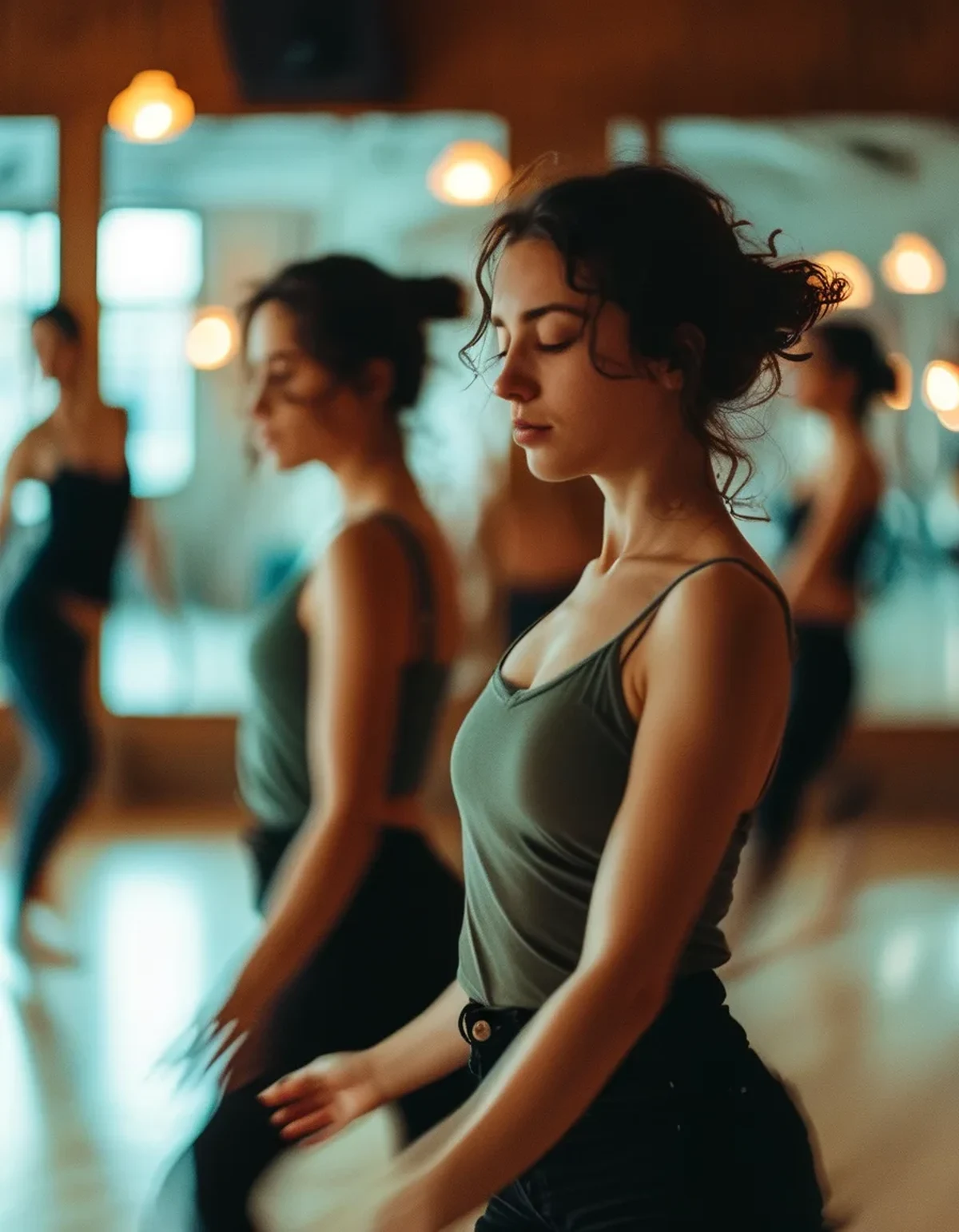
Isolating just the 2-3 counts between two moves and drilling that connecting segment repeatedly, independent of the full combo, builds the specific weight-transfer and momentum-carryover skill that makes movement read as fluid. This is a different practice unit than either the full combo or an isolated single move.
Does watching how experienced dancers do it help identify what’s different?
Yes — when comparing footage, look specifically at the half-second before and after each move, not the move itself. Experienced dancers typically begin the next move’s setup slightly before fully completing the previous one, creating overlap that eliminates the pause that reads as choppiness — a technique most beginners don’t do without deliberately noticing and practicing it.
FAQ: Choppy Dance Transition Questions, Answered
Should I slow down the whole combo to fix transitions, or just the transition sections?
Both approaches help, but isolating just the transition segments at variable speed is usually more time-efficient than repeatedly slowing the entire combo.
Does this apply to freestyle as much as choreographed routines?
Yes, arguably more — freestyle relies even more heavily on smooth improvised transitions between movement ideas, making this a foundational skill worth building regardless of style.
How long does it typically take to notice smoother transitions after targeted practice?
Most dancers notice a real difference within 2-3 weeks of specifically isolating and drilling transition segments a few times a week, faster than the timeline for building new technique from scratch.
TL;DR:
- Choppy transitions usually come from treating each move as a separate, complete unit
- It’s a genuinely separate skill from clean individual technique, not just a speed problem
- Isolating and drilling the 2-3 counts between moves builds the specific connecting skill
- Experienced dancers overlap moves slightly rather than fully completing one before starting the next
Keep Reading
This article is for general informational and styling purposes only. Fit, sizing, and product availability may vary.